Convenience Advertising Joins OMA in Support of Australia's Independent Audience Measurement Framework
42-year Australian media company distinguishes independent audience measurement from the science of Attention
Read more

On New Year's Day in Calgary, domestic violence calls to police and a specialist helpline run at more than double their usual volume. Across four years of data, the day averaged 55 extra calls on top of a daily mean of 48, after accounting for day of the week and month [1].
Victoria shows the same seasonal pressure, whereby between Christmas and New Year's Day, two in every three assaults reported to police are family violence assaults [2]. Support services report December and January as their busiest months, with family violence-related hospitalisations increasing over the festive period [3, 4]. The impact also extends to children, who are present at more than a third of reported family violence incidents throughout the year [3].
The spike crosses borders. Police data from six US states show at-home intimate partner violence against women rising 17% on Christmas Day, 19% on New Year's Day and 32% on New Year's Eve [5]. Australian research found holiday rates 157% above average in NSW, 79% in the Northern Territory and 34% in South Australia [6].
No single risk factor explains the pattern [1]. Extended time together can increase opportunities for coercive control, with practitioners identifying greater scrutiny of victims' movements and activities during the holiday period [7].
Alcohol consumption is another associated factor. In Calgary's domestic violence court cases, 61% of accused had consumed alcohol [8]. Canadian women whose partners drink heavily report violence at five times the rate of women whose partners drink moderately or not at all [9]. However, research cautions against identifying alcohol as a primary cause [10].
Financial pressures also contribute to household stress. Holiday spending is a recognised stressor [11], while Calgary research found domestic violence calls increased alongside economic strain [1].
Meanwhile, the usual outlets close. Schools and workplaces shut, removing places where a victim might talk to someone, and friends and family may be away [12, 13]. Pressure to give children a good Christmas makes leaving harder still [14]. For women who have already separated, child handovers carry risk, and technology extends the reach of abuse. One study found 85% of perpetrators used technology against partners or former partners [15].
Most victims never report to police, and many who do call wait until the perpetrator has left [16].
Research examining London's 2020 lockdown found police-recorded domestic violence increased by 5-7% at its peak, compared with approximately 40% growth in domestic violence-related internet searches across England and around 60% growth in National Domestic Abuse Helpline contacts [17]. If the search data reflect true incidence, police missed about 4,700 crimes over the period, roughly 48 a day.
Holidays recreate the lockdown's core condition of long days at home together, so festive-season police figures probably understate the problem too; however, no study has yet tested this directly.
A risk window that arrives on the same dates every year can be planned for. Research recommends readying helplines and crisis services for the surge, and placing gender-appropriate messaging where festivals take place [1].
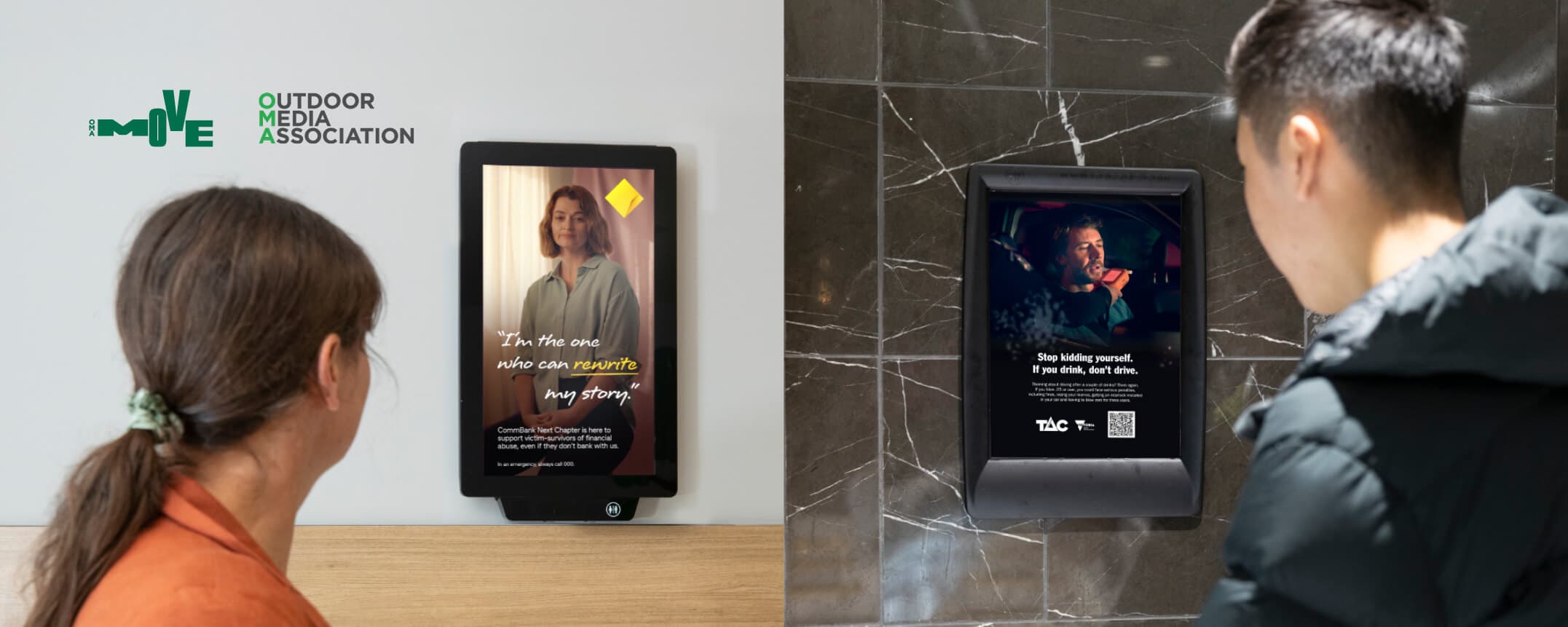
Victims need a way to look for help without being seen. Research suggests that lockdown hampered calls to police more than anonymous online searching [17]. A message that reaches someone in a private space, where nobody is watching, meets that need.
Sporting events represent another relevant environment. Calgary research found domestic violence calls increased by approximately 40% following Grey Cup games involving the Calgary Stampeders [1]. State of Origin was associated with an average 40.7% rise in family violence related calls between 2012 and 2017. English police reports rose 38% after national team losses and 26% after wins [18, 19]. US research also found unexpected home-team losses increased at-home violence against women by 8% [5].
These findings support targeted awareness campaigns in licensed venues and sporting environments, helping friends, family and bystanders recognise abuse and access support. Tracking helpline enquiries, online engagement and referrals alongside campaign activity would help measure impact.