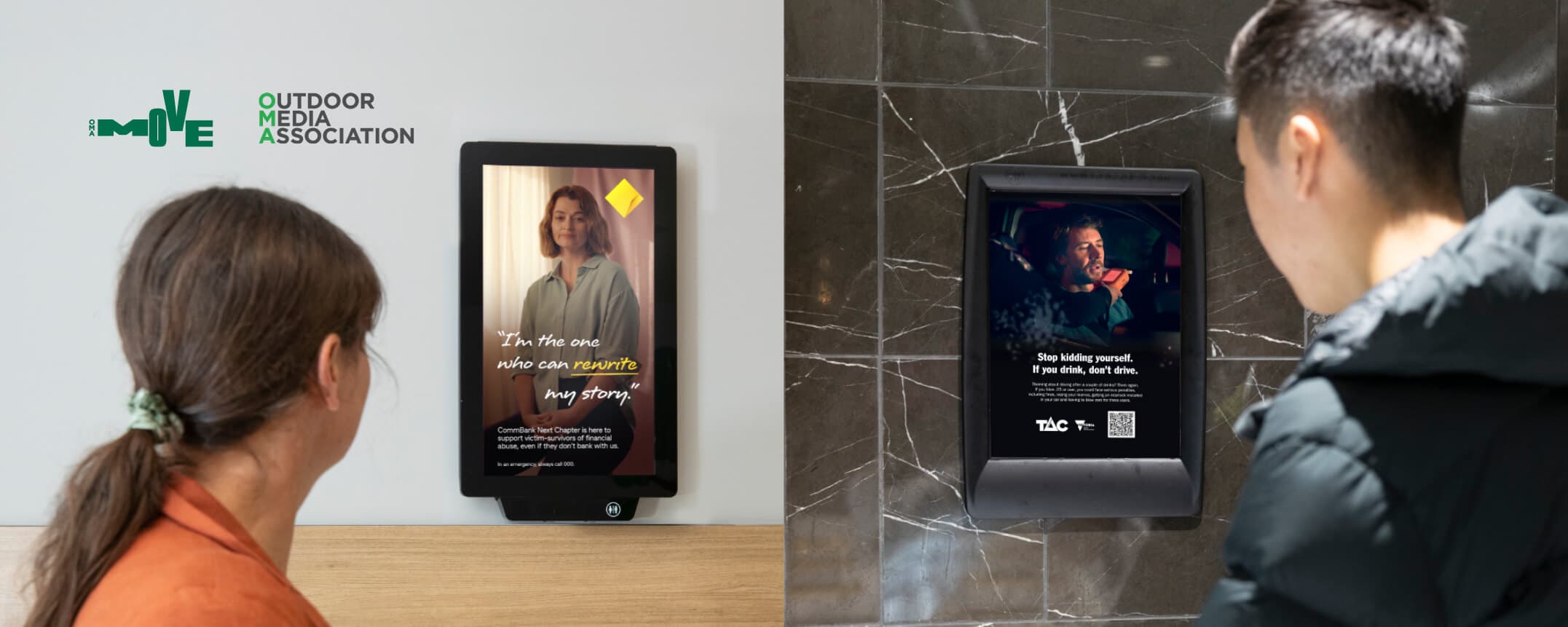
Convenience Advertising Joins OMA in Support of Australia's Independent Audience Measurement Framework
42-year Australian media company distinguishes independent audience measurement from the science of Attention
Read more
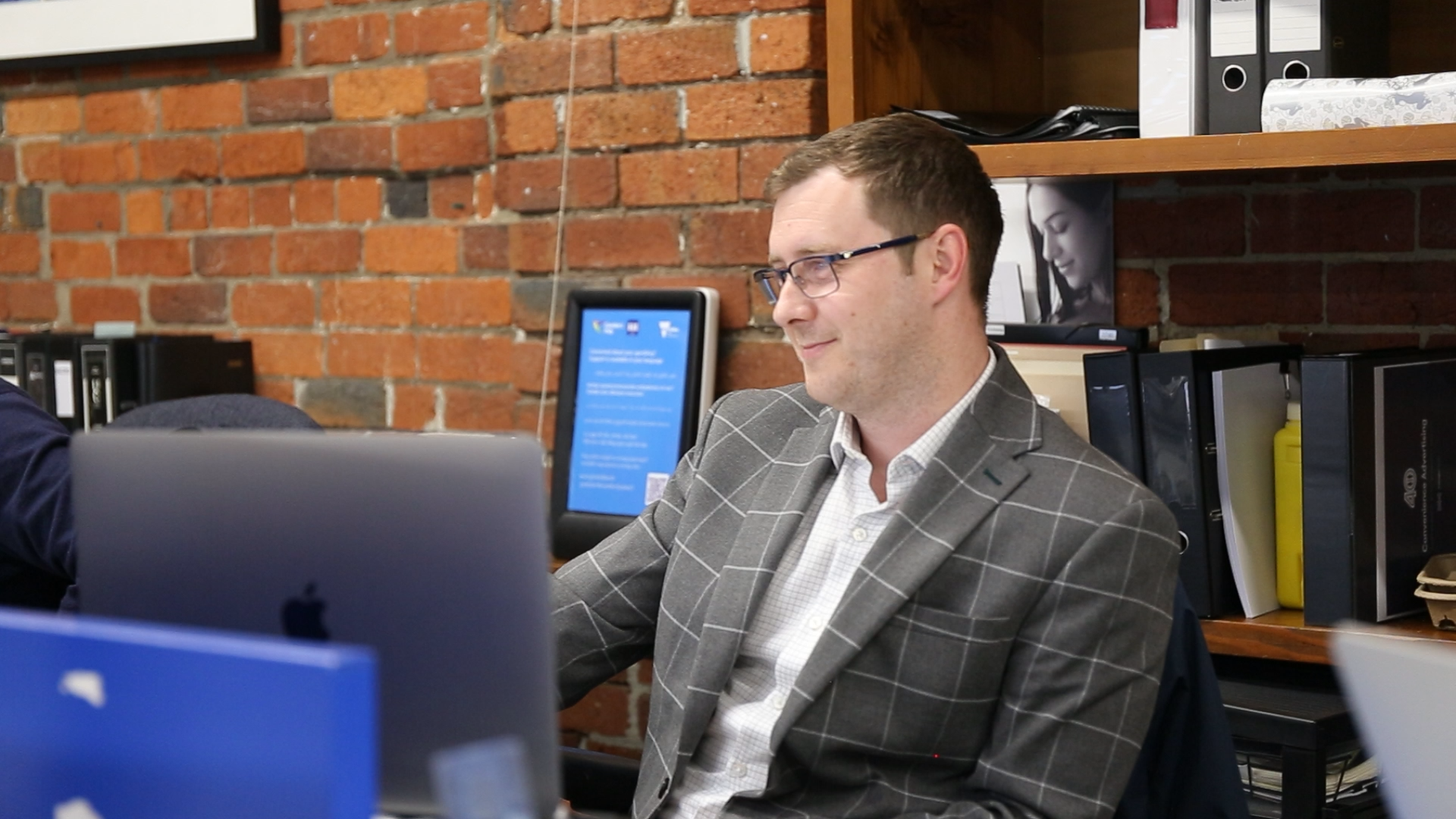
Peter reflects on how far he’s come, from a 24-year-old newcomer to a leader shaping CA’s direction, and how the company has transformed with him. What hasn’t changed is CA’s commitment to accountability. What has changed is the sophistication: stronger measurability, deeper insights, and a renewed focus on proving real impact in a noisy media world.
Peter dives into the power of attention, why it matters more than ever in public health messaging, and how metrics like aCPM finally validate what CA has championed for decades: two minutes of active, private-space attention is unmatched. He highlights the DonateLife partnership as a standout example of what CA does best, combining meaningful purpose, long-term collaboration, and data-driven optimisation to guide real behavioural outcomes.
Throughout the conversation, he unpacks how analytics and QR-based engagement tools now allow CA to understand not just who sees a message, but whether it drives help-seeking, awareness, or wellbeing improvements.
The interview ends with Peter’s excitement for the future: a channel that can’t be skipped, an environment with guaranteed dwell time, and decades of proven impact behind it. Bathroom Advertising isn’t going anywhere, and neither is CA’s mission to improve public health through attention-led communication.